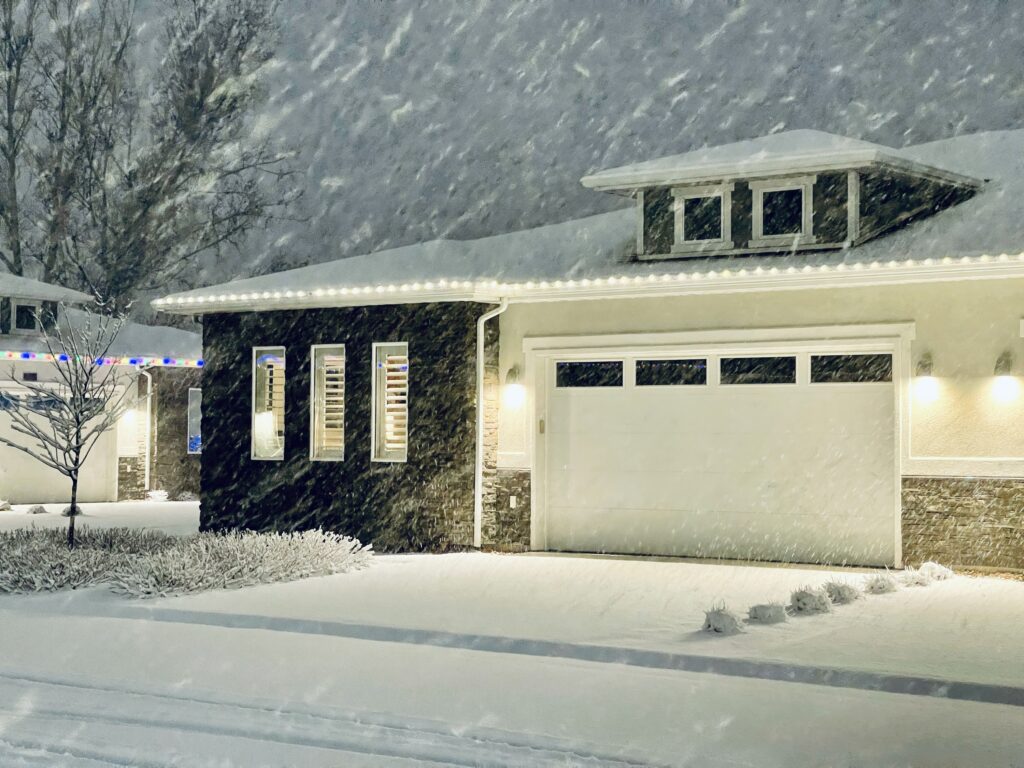
While winter in central Illinois brings beautiful snowy landscapes, it also comes with significant risks for homeowners. Snow, ice, wind, and extreme cold can expose even minor vulnerabilities in your home, leading to serious and expensive damage. From frozen pipes to roof leaks and power outages, winter storms pack a punch throughout Bloomington, Normal, and Peoria. Taking a few smart steps before winter can help you prevent damage and expensive repairs later.
As your property restoration experts since 1966, we’re breaking down how to protect your home this winter, and when to call in the experts at Paul Davis Restoration of Central Illinois for help.
How Central Illinois Winters Can Cause Storm Damage
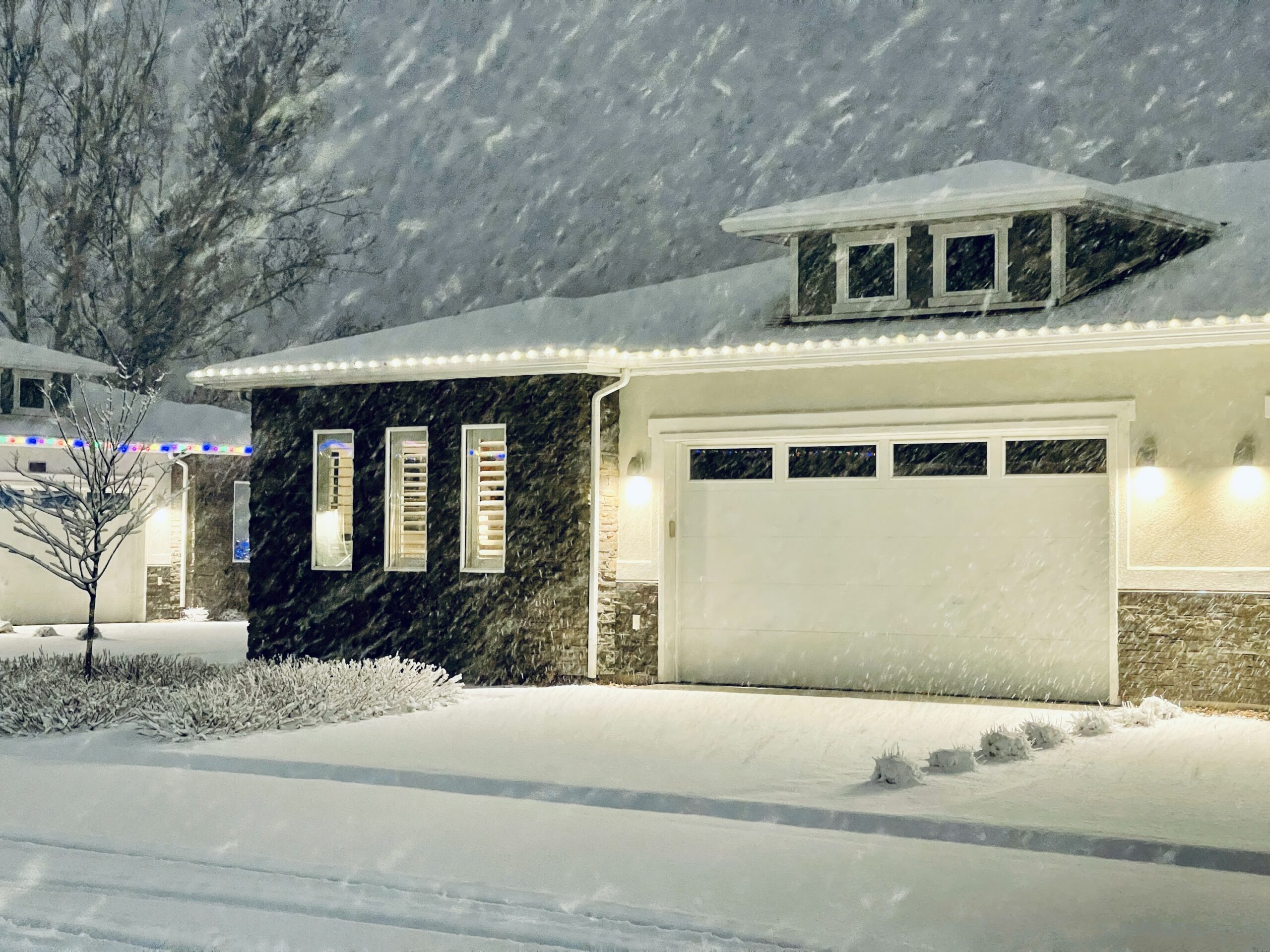
The mix of freezing rain, heavy snow, and strong winds common to Central Illinois creates a perfect storm for winter problems. You need to be prepared for:
- Wild temperature swings: Freeze-thaw cycles can worsen cracks in foundations, loosen shingles, and stress siding or caulking.
- Heavy snow and ice buildup: This can strain your roof and gutters, especially if your attic lacks proper insulation.
- High wind gusts and blizzards: Storms can rip off shingles, damage siding, and topple tree limbs onto homes.
- Frozen pipes and water backups: Prolonged cold snaps increase the risk of plumbing issues and basement flooding.
Areas of Concern During Winter in Central Illinois
To avoid damage to your home during a winter storm, it’s important to focus on the areas most vulnerable to winter weather. Here’s how to safeguard each part of your home before the worst of the season hits.
Protecting Your Roof From Ice, Snow, and Wind Damage
Your roof is your home’s first line of defense against winter weather. Before winter arrives in full force, take the time to:
- Clear off debris: Remove leaves, sticks, and other debris from the roof and gutters. This helps water from melting snow and rain flow away from your home.
- Inspect your shingles and flashing: Look for loose, missing, or damaged shingles and worn-out flashing around chimneys or skylights.
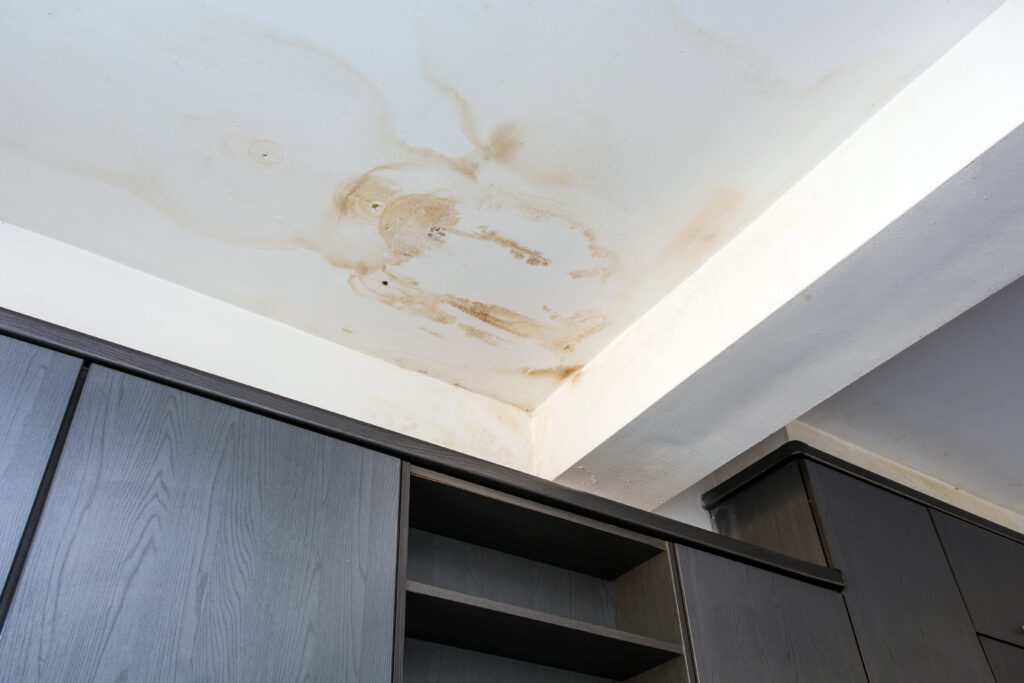
- Prevent ice dams: Ice dams form when warm air in your attic melts snow, which then refreezes at the roof’s edge. They can lead to water backing up under shingles and leaking into the attic. To prevent them, make sure your attic is well-insulated and ventilated.
Preventing Frozen Pipes During Extreme Cold
Burst pipes are one of the most common causes of winter property damage. Prevent them by:
- Insulating exposed pipes: Pay special attention to unheated areas like basements, crawl spaces, and garages, where pipes are more exposed to the cold.
- Sealing drafts: Use caulk or spray foam to seal gaps along exterior walls and rim joists where cold air may enter.
- Keeping the temperature steady: Don’t lower the heat too much when you’re away. A consistent temperature of 55°F or higher helps keep pipes safe.
Reducing the Risk of Basement Water Intrusion
Basements are especially vulnerable during winter, particularly during snow melts or mid-season thaws. Be proactive by:
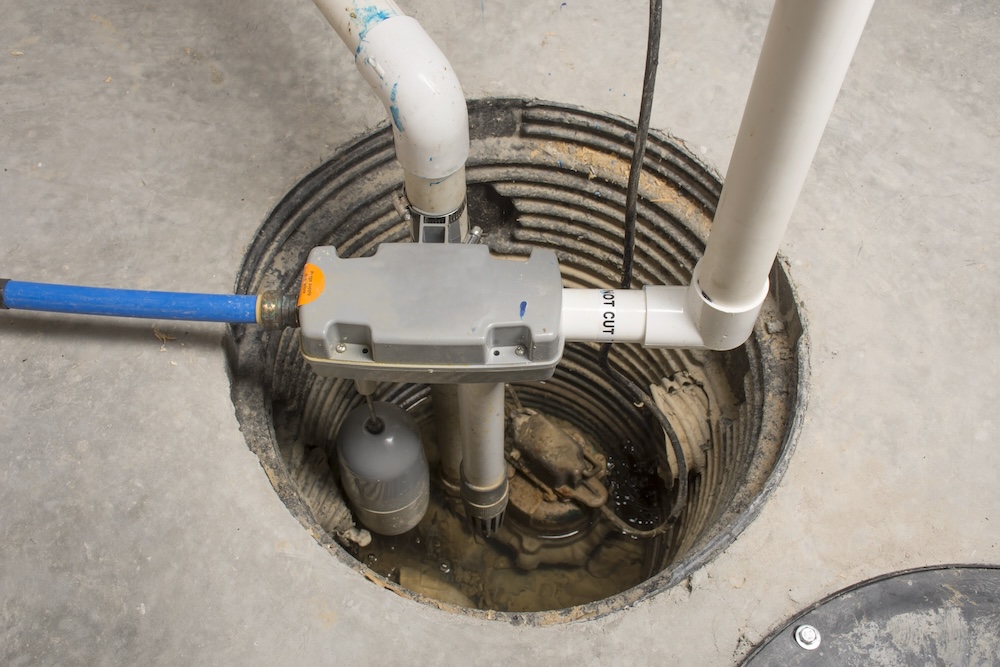
- Testing your sump pump: Make sure it’s in working condition and ready for heavy use.
- Clearing drainage paths: Keep outdoor drains, downspouts, and window wells free of leaves and debris.
- Cleaning your gutters: Clogged gutters can overflow and direct water toward your foundation.
Preparing for Power Outages and Electrical Hazards
Winter storms often lead to downed lines or overloaded circuits. Protect your home and your electronics by:
- Using generators safely: Never run a generator indoors or in enclosed spaces.
- Installing surge protectors: These help prevent damage to computers, appliances, and other sensitive electronics.
- Avoiding overloaded outlets: Plug space heaters and appliances directly into the wall and use extension cords sparingly.
Minimizing Structural Damage From Snow and High Winds
Wind and heavy snow loads can damage more than just your roof. Reduce the risk of structural damage by:
- Inspecting windows, doors, and siding: Look for gaps, loose panels, or weak spots where cold and moisture can enter.
- Trimming tree limbs: Cut back branches that could fall during a storm.
- Knowing your roof’s limits: Learn how much snow your roof can safely support, and call a professional to remove buildup if needed.
What to Do If Your Home Suffers Winter Storm Damage
Even with careful prevention, an Illinois winter storm can sometimes get the best of your home. If your home is damaged by a winter storm:
- Safety first: Evacuate if there’s structural damage or a potential risk of collapse.
- Prevent further damage: Shut off water to burst pipes, tarp damaged roofs, and keep wet areas ventilated.
- Document everything: Take clear photos and videos before starting cleanup.
- Act fast to prevent mold: Water damage can lead to mold growth within days. Timely drying and repairs are essential.
- Call in the pros: Paul Davis Restoration of Central Illinois provides emergency water removal, roof tarping, and damage repair.
Choose Paul Davis Restoration of Central Illinois for Winter Storm Damage Repairs
Winter storms in central Illinois can be brutal. Whether you’re dealing with a leaky roof, burst pipe, or flooded basement, Paul Davis Restoration of Central Illinois is here 24/7. We provide expert winter storm damage repair, water extraction, structural repairs, and support for mold prevention. Our team will get back to you within half an hour of your call or message, and will be on-site within four hours. We’re committed to helping you restore your home as quickly as possible, so you can get back to your regular life.
If a winter storm damages your home, contact Paul Davis Restoration of Central Illinois for fast, professional service in Bloomington, Normal, Peoria, and nearby communities.