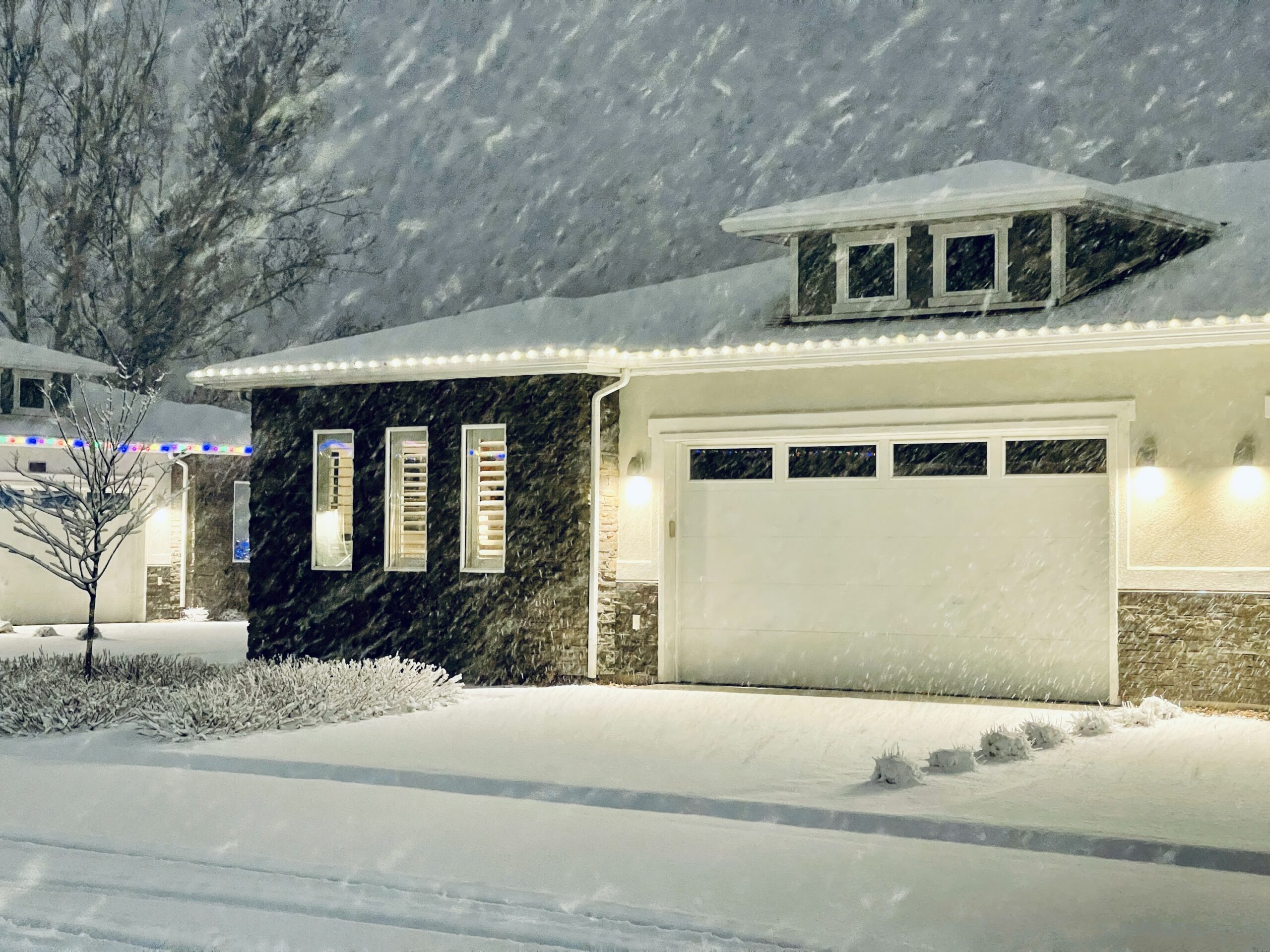
Spring in Bloomington can be unpredictable, with a mix of melting snow, unexpected late-season snowfall, and steady rain that can change from day-to-day. All that moisture means rising groundwater that can put real pressure on your basement. After the flash flood damage that happened across Central Illinois in 2025, many homeowners in areas from Founders’ Grove to Eagle Ridge and the neighborhoods surrounding Miller Park all saw drainage systems overwhelmed.
Streets and yards filled quickly, and houses without a dependable sump pump were left exposed to water intrusion. As you prepare for the upcoming season, Paul Davis Restoration of Central Illinois wants to help you make sure your sump pump is ready to protect your property.
Why Does Spring Thaw Put Your Basement at Risk?
As winter fades, melting snow begins seeping into the soil, adding moisture long before the first spring storm arrives. When the ground is already saturated, even moderate rain can push groundwater levels higher than usual. This added pressure around your foundation increases the likelihood of seepage, especially in older homes or properties with limited exterior drainage.
Your house’s drainage network plays a major role in keeping this moisture away from the structure. Gutters, downspouts, grading, and perimeter drains all work together to move water away from the foundation. When these components are functioning well, they reduce the strain on your sump pump. When they’re not, your pump becomes the last line of defense against unwanted water entering your basement.
Signs Your Sump Pump May Not Be Ready for the Season
Before spring weather settles in, it’s smart to look for early indicators that your sump pump may be struggling. Strange noises such as grinding, rattling, or humming can signal that the motor is under stress or that internal parts are wearing down. If your pump cycles on and off more often than usual, or fails to activate when water rises, it may be losing efficiency.
You should also pay attention to musty smells or dampness around the sump pit. These odors often point to lingering moisture that isn’t being removed effectively. Visible rust, debris buildup, or a float switch that seems stuck are additional warning signs that the system needs attention. If you notice water pooling in the basement despite having a pump installed, that’s a clear indication that the equipment isn’t keeping up with demand.
Do You Know How to Test Your Sump Pump?
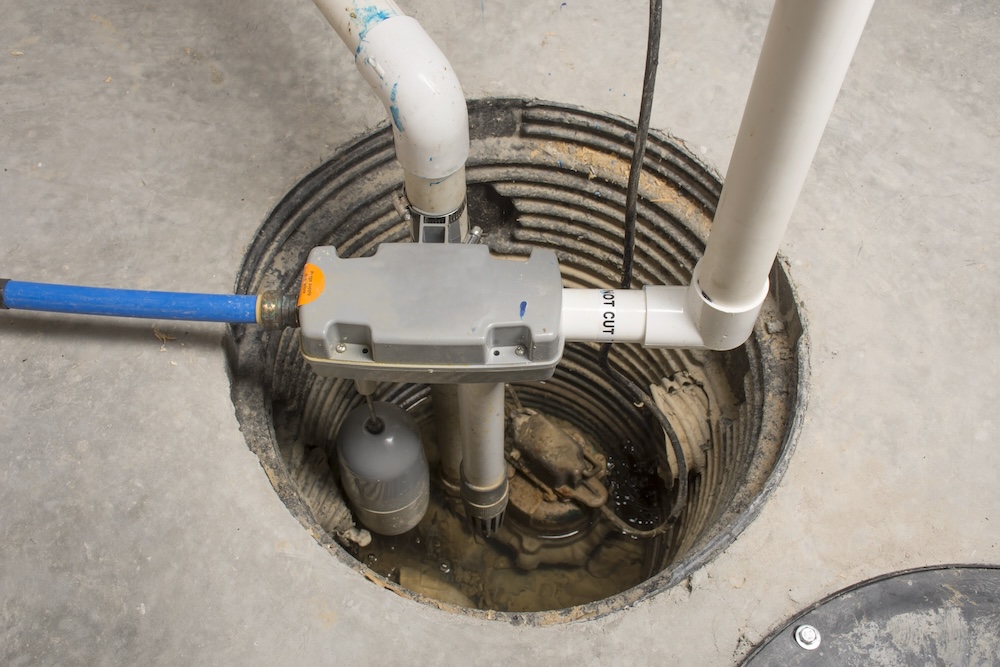
Testing your sump pump before spring storms arrive is one of the simplest ways to avoid unexpected problems. Start by lifting the float switch gently to confirm that the pump activates. You can also pour a bucket of water into the sump pit to trigger the equipment immediately. If nothing happens, or if the pump hesitates or struggles, you may need repairs or replacement.
Next, inspect the discharge line. Look for clogs, freezing damage, or sections that may have become disconnected during winter. A blocked or broken discharge pipe prevents water from leaving the pit, which can cause the pump to run continuously or fail altogether.
Check the sump pit itself for sediment, leaves, or other debris that may interfere with the pump’s operation. A clean pit allows the float switch to move freely and helps the pump work efficiently. Finally, make sure the unit is plugged in and connected to a reliable power source. A loose cord or tripped breaker can stop the system without you realizing it.
Common Causes of Sump Pump Failure During Spring Thaw
Spring weather can push sump pumps to their limits. Heavy water volume in a short period can overload the unit, especially during intense rainfall or rapid snowmelt. Mechanical failure is another common issue, often caused by age, wear, or improper installation.
Clogged discharge pipes and blocked drainage networks can also prevent water from moving away from your home. When the pump can’t expel water effectively, it may run constantly or shut down. Switch issues caused by debris or pump misalignment are frequent culprits as well. And if a power outage occurs during a storm and your pump doesn’t have a battery backup, your basement may be left unprotected.
What to Do If Your Basement Floods Despite a Sump Pump
If water enters your basement, quick action is essential. Standing water can damage flooring, drywall, and personal belongings within hours. It also creates ideal conditions for mold damage and structural deterioration. Start by moving valuables to a dry area and blocking off the affected space to prevent water from spreading.
Avoid handling soaked materials without caution, as they may contain contaminants. Floodwater should always be treated as a serious concern. Once you’ve taken immediate steps to limit damage, it’s important to bring in professionals who can assess the situation thoroughly, preferably with emergency response.
When to Call Paul Davis Restoration for Water Damage Help
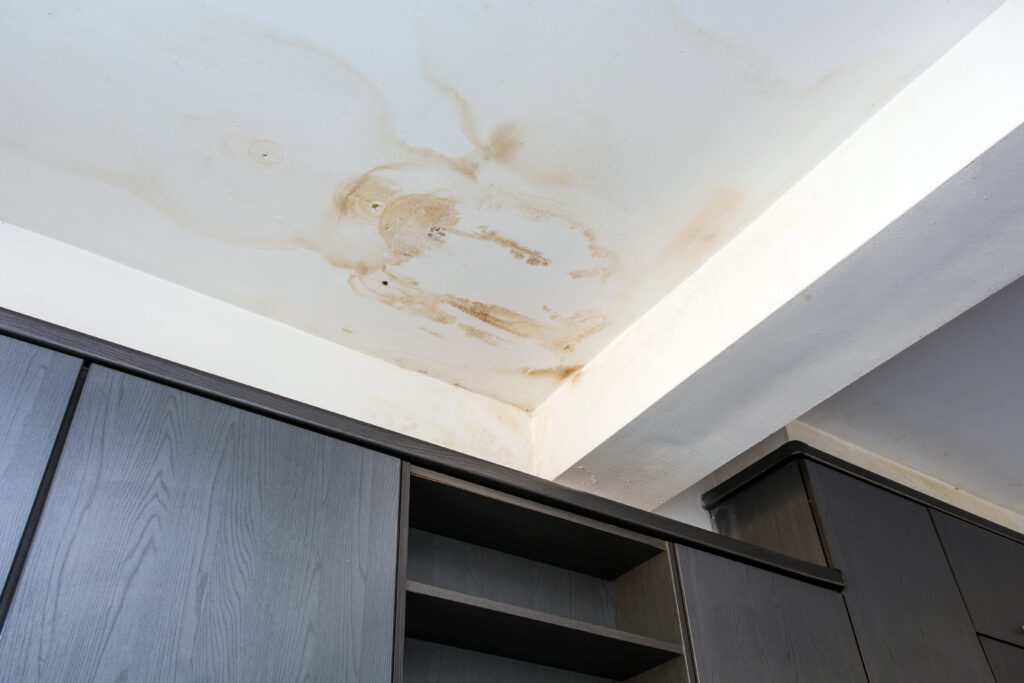
If you notice soaked walls, warped flooring, or persistent odors after a water incident, it’s time to call Paul Davis for residential restoration. These signs often indicate deeper issues that require specialized equipment and expertise. Professional water extraction and drying help prevent long-term complications, including mold growth behind walls or beneath flooring. Hidden moisture can spread quickly, so addressing it early protects your house and reduces repair costs.
Paul Davis uses advanced tools to locate moisture that isn’t visible on the surface, ensuring your home is restored properly. If flooding occurs or you suspect damage, request service today.